How Malaysia’s Booming Economy Will Benefit Its Tourism and Hospitality Industry
In 2024, Malaysia has drawn significant FDI from global technology giants such as Microsoft, Google, ByteDance, Intel, and Amazon, major countries include Singapore, US, China, Japan and The Netherlands. This surge of investment highlights Malaysia’s strategic importance in global supply chains and its status as an attractive destination for multinational corporations. With an expected GDP growth of 4.5% in 2024, the economy’s positive trajectory will significantly impact the tourism and hospitality industries, fostering new developments in infrastructure, hotels, and real estate.
Actually, Malaysia is a major player in several industries, the world’s 2nd largest exporter of palm oil and a significant exporter of electronics, and semiconductors. The country has also established itself as a global leader in Islamic finance and halal food production. These strengths, combined with a highly skilled workforce and pro-business policies, have drawn tech companies coming to its doorstep.
In fact, Intel first investment in Malaysia goes back to 1972. Now, Intel and Google are expanding their footprint in Malaysia to take advantage of its growing role in advanced electronics manufacturing and cloud services. Malaysia’s central location and excellent connectivity make it a hub for multinational firms, contributing to rising business travel and demand for upscale accommodations.

Georgetown coast at Shangri-la Rasa Sayang Resort
As FDI continues to flow into Malaysia, the tourism industry is seeing substantial benefits. Key projects such as Desaru Coast in Johor and the expansion works in Langkawi, showing their efforts to attract high-net-worth travelers. Meanwhile, Malaysia is focusing on ecotourism, particularly in biodiversity-rich regions like Sabah and Sarawak, to cater to the growing global demand for sustainable travel options.
Malaysia’s tourism policy, such as the Special Tourism Development Zone (STDZ) policy and the Malaysia Truly Asia campaign are making more touching down efforts. The STDZ is more focusing on attracting investments in targeted areas, particularly in medical tourism, by improving infrastructure and services to cater to international visitors. The MTA campaign promotes the country’s rich cultural heritage and natural beauty, integrating healthcare facilities into its offerings. Together, these initiatives create a combined strategy positioning Malaysia as a premier destination for both leisure and health tourism.
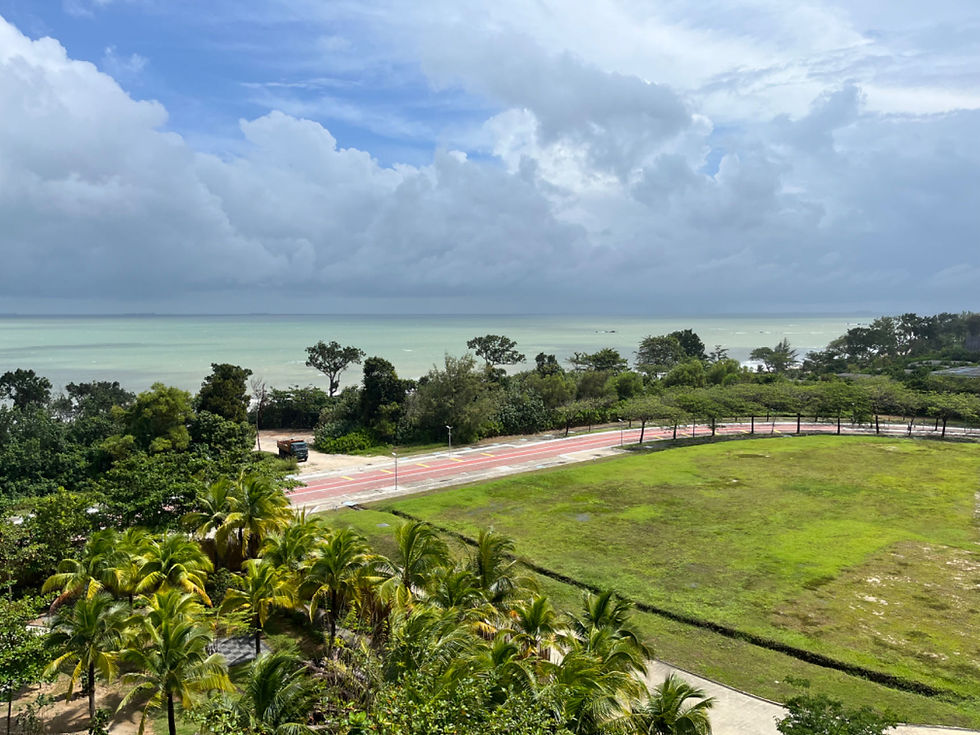
Desaru Coast at Westin Hotel
Malaysia’s real estate and hospitality industries are poised for expansion as the economy grows. The influx of global companies and expatriates is driving demand for premium residential properties and luxury hotels. Kuala Lumpur, Penang, and Johor Bahru are hotspots for high-end real estate development, with international hotel chains and boutique resorts increasingly investing in Malaysia. The government's investment in infrastructure, including airports and transportation networks, will further enhance Malaysia’s goal to become a premier destination in Southeast Asia, combining luxury tourism with sustainable development.


Comments